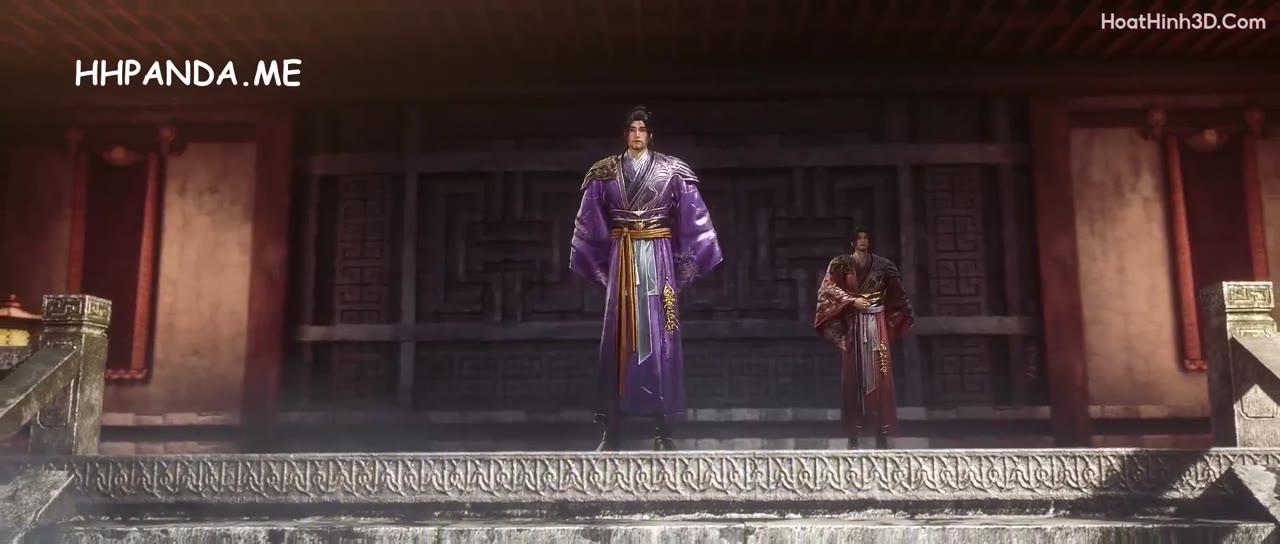
In episode 9, Xu Qing is trapped in a memory loop that resets every time he approaches the truth. Each reset strips away a piece of his identity, revealing that his world is a simulation subjected to external attacks. The 27-minute episode, rated 10/10 on TMDb, masterfully blends psychological horror with sci-fi as Xu Qing must break the cycle before losing himself completely.
Xu Qing reaches the central core and confronts the Master Controller, only to discover it's a hologram of his own future self. This revelation transforms the narrative from a mere sci-fi mystery into a profound psychological paradox, challenging everything viewers thought they knew.
Is the Master Controller's true identity revealed in episode 9?
Yes, but not fully. The hologram of Xu Qing's future self suggests time travel or predictive programming. The show leaves room for multiple interpretations, true to its psychological roots.
Why does the simulation glitch so often in this episode?
Episode 9 explains the glitches are a side effect of an external hacker attacking the simulation's core. These cracks visually represent the system's vulnerability and foreshadow a larger conflict beyond the digital world.
How does episode 9 compare to the original novel by Nhĩ Căn?
The show adds original psychological layers not present in the novel. Episode 9 introduces the memory loop concept, deepening the existential horror while staying faithful to the source material's core themes.
Are there any hidden clues about the simulation's purpose in episode 9?
Keener eyes will notice that each glitch reveals fragmented coordinates and a countdown. These subtle details hint that the simulation is a training ground for a mission in the real world, setting up season-spanning arcs.